DIY Versus Professional Fence Installation: Why Hiring an Expert Saves You Time and Money
When property owners encounter the task of putting up a fence, they frequently consider the advantages and disadvantages of DIY compared to professional installation. Although the appeal of cutting costs with a DIY approach is attractive, the potential pitfalls can lead to increased costs and time. Trained specialists offer knowledge and effectiveness, which can be vital in managing complex installation challenges. This raises an important question: What genuine advantages come with choosing professional installation?
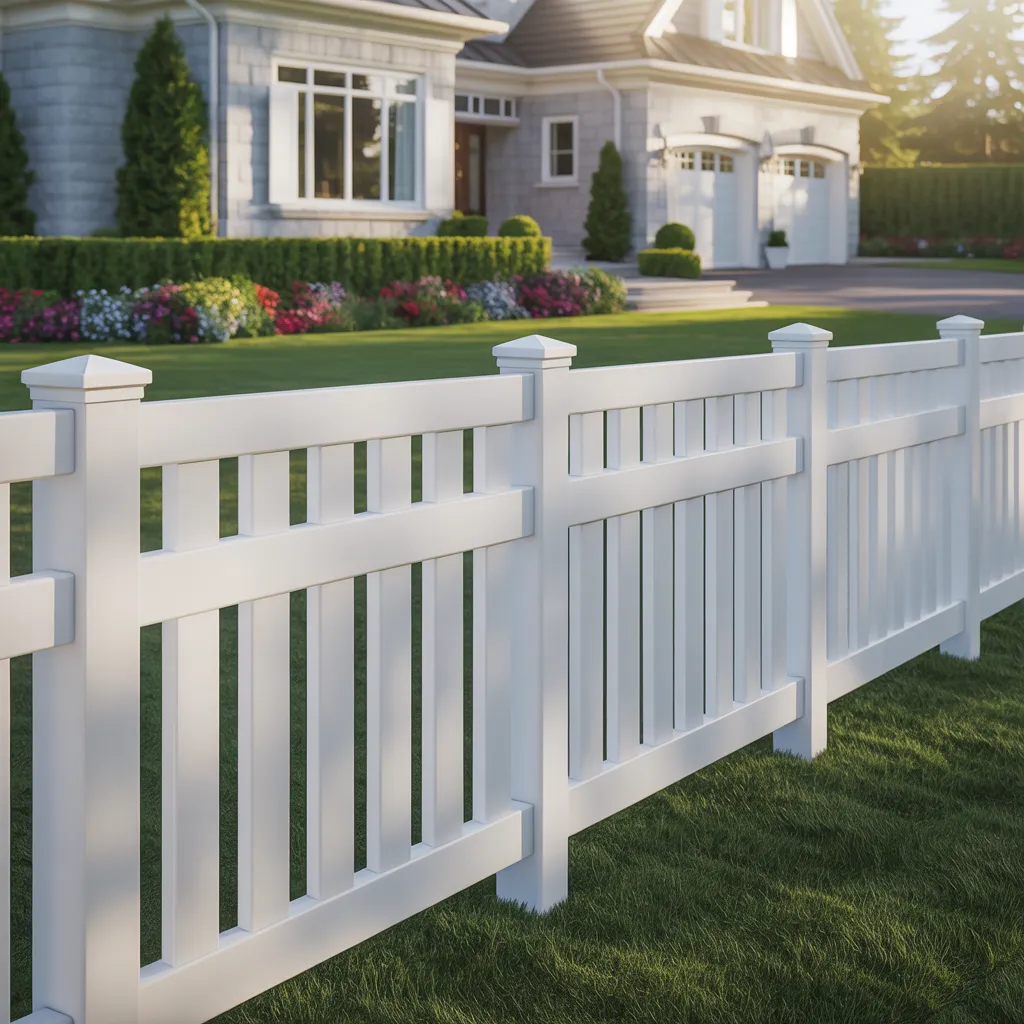
The Perks of Professional Fence Installation
Although some homeowners might attempt a DIY approach to fence installation, the benefits of hiring professional installers frequently outweigh the upfront cost. Skilled installers provide expertise that ensures the fence is constructed correctly and effectively. They utilize specialized tools and equipment, which lowers the chance of errors and boosts overall quality. Additionally, their experience allows them to navigate challenges such as uneven terrain or local regulations, which can complicate DIY efforts.
Moreover, employing professionals often leads to speedier project finishes, relieving homeowners of the challenge of time-consuming installations. Professional installers also extend warranties covering their services, offering peace of mind regarding long-term durability and upkeep. Such guarantees help alleviate concerns about ongoing complications that might arise from faulty installation. In summary, the value of expert fence installation consist of skilled workmanship, reduced timelines, and lasting dependability, making it a prudent choice for a wide range of homeowners.
How Much Does Professional Installation Cost?
The price of expert fence installation may vary considerably based on several factors, including materials, labor, and site conditions. Understanding these influences is essential for homeowners who are considering this option. Additionally, evaluating long-term value may help determine whether the investment is consistent with long-term needs and property improvement.
Elements Affecting Installation Cost
Several considerations impact the full price of hiring a professional to install a fence, which makes it important for homeowners to know what influences these charges. The materials chosen—such as metal, wood, or vinyl—significantly impacts the project cost. Additionally, the height and length of the fence are important factors; bigger projects tend to cost more. Labor expenses also fluctuate based on installation complexity and prevailing local rates. Site conditions, such as ground conditions more info and accessibility, can further affect costs, as additional equipment or preparation may be required. In addition, any mandatory permits and site inspections must be included in the budget, adding to the total expense. Being aware of these factors empowers homeowners to approach their fencing projects with confidence.
Long-Term Value Considerations
Grasping the expenses related to professional fence installation reaches further than the initial expenses. While the initial fees may seem higher in comparison to DIY options, the extended value frequently warrants the investment. Professionals offer expertise that ensures proper installation, which can decrease the need for pricey repairs and maintenance as time goes on. Additionally, a well-installed fence can boost property value and curb appeal, potentially providing a return on investment when listing a property for sale. The resilience of professionally installed materials frequently exceeds DIY alternatives, minimizing future replacement costs. Ultimately, working with a professional can lead to considerable financial benefits and peace of mind, making the upfront investment worthwhile in the context of long-term benefits.
Typical Obstacles of DIY Fence Projects
Beginning a DIY fence project can quickly reveal a host of unexpected complications. Homebuilders often misjudge the difficulty of proper planning, including boundary line evaluations and acquiring the needed permits. Without a thorough land survey, they could trespass onto a neighbor's land or failing to comply with local rules.
Moreover, selecting the correct tools and materials can be overwhelming. Limited experience may result in procuring unsuitable supplies or miscalculating amounts, creating cost increases and delays. Appropriate techniques for installation are critical; improper alignment or insufficient post depth can undermine the fence's longevity and performance.
Furthermore, a significant number of DIY enthusiasts are unprepared for weather-related complications, which can stall progress. Strenuous physical tasks, such as trenching post holes or transporting bulky components, can also deter even the most motivated individuals. Such difficulties emphasize the demanding nature of DIY fence construction, leading many homeowners to appreciate the importance of skilled professionals.
How Professionals Save You Time
When evaluating fence installation, professional installers provide significant time savings compared to DIY attempts. Their knowledge of designing and carrying out projects secures speedier results and reduces delays. This efficiency allows homeowners to appreciate their newly installed fence without the extended wait commonly linked to self-installation.
Speedier Project Finalization
Employing professional installers accelerates the fence construction process considerably. Experts bring specialized tools and experience, enabling them to finish projects faster than most DIY homeowners. Whereas a homeowner could spend days or even weeks completing the installation, professionals often finish in a matter of hours or days, based on the scope of the project. Their knowledge of diverse materials and methods allows them to address obstacles effectively, minimizing delays. Additionally, professional teams typically work in coordination, splitting responsibilities to maximize efficiency. This not only speeds up the installation but also reduces the likelihood of errors that could prolong the project. Ultimately, hiring professionals guarantees a timely completion, allowing homeowners to enjoy their new fence sooner.
Skilled Planning and Execution
Though many homeowners fail to recognize the value of comprehensive planning, experienced fence contractors understand that careful preparation is essential to a successful fencing project. Experts begin with a detailed assessment of the site, taking into account elements such as landscape, ground conditions, and municipal guidelines. This thorough strategy confirms that all essential supplies are secured and that the plan reflects the homeowner's goals while remaining in accordance with local codes.
Moreover, professionals utilize cutting-edge methods and equipment, simplifying the overall installation. Their knowledge positions them to identify likely issues and resolve them before they escalate, preventing unnecessary slowdowns. By managing timelines and coordinating labor effectively, skilled workers not only conserve time but also prevent costly oversights that frequently stem from poor planning. In essence, skilled planning and implementation result in a seamless, more productive installation.
How Experts Manage Local Regulations
Managing local codes can be a daunting task for homeowners, but experts thrive in this area. Skilled fence installation specialists possess in-depth knowledge of zoning requirements, construction standards, and permit requirements specific to each locality. They keep current with shifts in local codes, ensuring conformity that non-professionals could neglect.
In addition, experienced specialists commonly hold established relationships with municipal officials, which can speed up the permit approval process. Such familiarity permits them to handle any foreseeable hurdles seamlessly, decreasing interruptions that can occur from misinterpretations of local rules.
Moreover, experts can help homeowners choose appropriate materials and designs that comply with local regulations, minimizing the risk of future fines or mandatory alterations. By utilizing their knowledge, experts simplify the installation procedure, shielding homeowners from the difficulties and complications of navigating compliance requirements. In the end, engaging a professional not only ensures compliance with legal requirements but also improves the overall effectiveness of the project.
Why Skilled Installation Secures Quality and Long-Lasting Results
Navigating local regulations is just one aspect of ensuring a successful fence installation; the quality of workmanship plays a significant role in the fence's durability. Experienced installers bring a wealth of expertise, applying techniques that ascertain proper alignment, depth, and stability of fence posts. Their skill minimizes common installation problems, such as shifting or leaning, which can undermine a fence's integrity over time.
Moreover, experienced technicians employ top-grade supplies, appreciating the subtleties of diverse fencing options and how they hold up against natural elements. This insight helps prevent untimely wear and degradation, prolonging the durability of the fence.
Additionally, skilled fitting commonly features suitable sealing and completion processes that boost durability against weather. When choosing qualified installers, property owners can rest assured that their fence installation will satisfy not just appearance requirements but also last for many years, offering reassurance and limiting the frequency of frequent repairs.
Lasting Benefits of Expert Fence Installation
Choosing professional fence installation offers substantial long-term benefits that frequently exceeds initial costs. Professionals bring expertise, guaranteeing the fence is set up correctly, which minimizes the chances of future repairs. A properly installed fence can handle environmental pressures, increasing its durability substantially compared to self-installation projects that may weaken the overall structure.
Additionally, hiring an expert often enhances the value of the property. A skillfully installed fence not only elevates the appearance but also strengthens curb appeal, making the home more enticing to interested buyers. This proves especially significant in housing markets where first impressions play a key role.
In addition, certified technicians commonly include warranties, providing security that amateur installations typically lack. Such coverage for defects or damage can save homeowners from unexpected costs in the future. Overall, the sustained commitment to certified installation yields significant rewards, financially as well as in terms of preserving a home's structural quality.
Commonly Asked Questions
Can I Install a Fence Myself if I Lack Experience?
Certainly, it is possible to erect a fence without prior experience, but it could result in errors and difficulties. Thorough research, strategic planning, and patience are necessary, though enlisting a professional can ensure a better and more consistent outcome.
What Tools Are Necessary for DIY Fence Installation?
When installing a fence, the necessary tools consist of a post hole digger, level, measuring tape, hammer, saw, fence panels, concrete mix, and safety gear. Having these tools ensures a proper installation while improving overall efficiency throughout the process.
How Can I Select the Best Fence Material?
Choosing the best fence material entails evaluating strength, care requirements, aesthetics, and overall budget. Popular choices include vinyl, wood, metal, and composite. Reviewing each material's pros and cons enables you to make a thoughtful determination that aligns with particular needs.
What Care Do Fences Need Following Installation?
Fences demand routine upkeep, which includes cleaning, inspecting for damage, and applying protective coatings. Wooden fences benefit from staining and sealing, whereas metal fences may require rust prevention treatment. Routine care extends the life of your fence and keeps it looking its best.
What Steps Can I Take to Keep My Fence Level and Straight?
To make sure a fence is level and straight, one should use a long level or string line to guide the installation. Regularly check alignment throughout the installation process, adjusting posts as necessary to maintain consistency throughout the process.